Things to Do in Bujumbura
Lake Tanganyika sunsets and 2,000-franc tilapia straight off the boat
Top Things to Do in Bujumbura
Find activities and tours you'll actually want to do. Book through our partners -- no booking fees.


Plan Your Trip
Essential guides for timing and budgeting
Climate Guide
Best times to visit based on weather and events
View guide →Day Trips
The best excursions and nearby destinations worth the journey
Explore day trips →Where to Stay
Best neighbourhoods, hotel picks, and booking tips
Find hotels →Travel Insurance
What's required, what coverage matters, and how to get a quote
Read guide →What to Pack
Climate-specific gear, essentials, and what to leave at home
See packing list →When Should You Visit Bujumbura?
Tap a month for weather, crowds, and highlights
View full year-round climate guide →Your Guide to Bujumbura
About Bujumbura
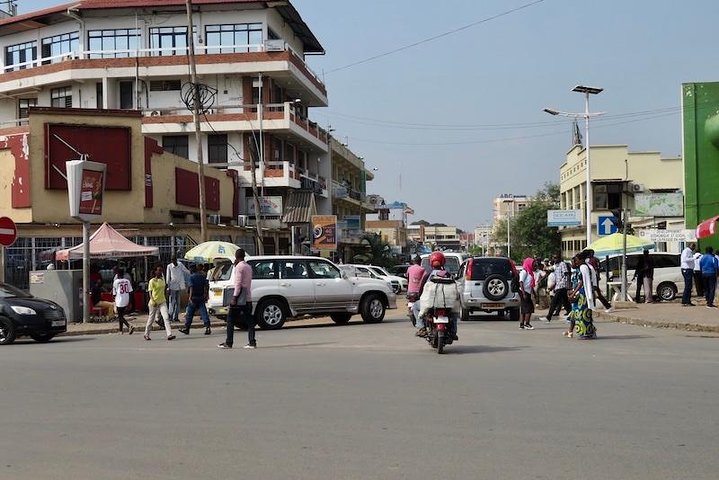
Bujumbura smells like charcoal-grilled sambaza before you see the lake. The small silver fish land at dawn on Saga Beach, carried up the sand still flopping, and by 9 AM every street corner near Avenue de l'Université has someone fanning coals under a blackened wire rack. This is Burundi's economic capital in everything but official status, where the old colonial Boulevard de la Liberté runs straight into the port's rusting cranes, and the new money gathers in the hill neighborhoods of Rohero and Kiriri for 1,500-franc ($0.75) Primus beers chilled in metal basins.
The city proper sits on a narrow coastal plain between the Ruzizi Plain and Lake Tanganyika, Africa's deepest, where the water stays 24°C (75°F) year-round and turns glass-calm at dusk. Morning brings thelinga (minibus taxi) chaos along Avenue de la Révolution, horns competing with the call to prayer from the central mosque.
But walk ten minutes uphill to Mutanga Sud and you'll find French-style bakeries selling croissants for 500 francs ($0.25) that taste like someone here once studied in Lyon. The trade-off is infrastructure that quits without warning: power outages hit three times a week, and the internet slows to crawl when the rains come in November.
Yet the same evening storms wash the humidity from the air, leaving the scent of frangipani and wet earth drifting across the palm-lined corniche. It's worth coming for the lake alone. But stay for the conversations, this is one of the few African capitals where you can still drink beer with fishermen who remember when Hemingway's boat tied up here.
Travel Tips
Transportation: Bujumbura's minibus taxis cost 300-500 francs ($0.15-$0.25) and run fixed routes with destinations painted on the windshield, look for 'Rohero', 'Kinindo', or 'Gitega' depending where you need to go. Moto-taxis are faster but negotiate hard: 1,000 francs ($0.50) gets you most places within the city center. The real hack is hiring a bicycle taxi for 500 francs ($0.25) downhill from Kiriri to downtown, it's faster than traffic and you'll get stories from drivers who've pedaled these hills for decades.
Money: Burundi francs only, dollars and euros are accepted at larger hotels but the rate is terrible. ATMs at Bujumbura's three main banks (BancABC, Ecobank, I&M Bank) dispense 500,000-franc ($250) maximum daily. But branches close at 3 PM. The forex guys on Avenue de la Révolution give better rates than banks for crisp $50 bills, just count twice and don't flash cash. Credit cards work at the fancy hotels but expect a 5-8% surcharge that's never mentioned upfront.
Cultural Respect: Greetings matter here, stop for the full 'Amahoro' (peace) exchange even with strangers. Pointing with your index finger is aggressive. Use your whole hand instead. At Lake Tanganyika, ask before photographing fishermen, some believe it steals their spirit, and they'll quote you 5,000 francs ($2.50) for a posed shot. When invited to someone's home, bring small gifts: 1,000-franc ($0.50) sodas for the kids or a 2,000-franc ($1) Primus for the host. Shoes off in living rooms. But no socks either, bare feet show respect.
Food Safety: The sambaza at Saga Beach are safe if they're grilled fresh, you'll see the fish go from boat to fire. Skip the mayo-based salads at street stalls unless you watched it made. Drink only bottled water or the boiled water offered at good guesthouses. The night market near Eglise Sainte Marie serves brochettes (goat skewers) for 500 francs ($0.25) each, the charcoal heat kills everything, and locals queue for the same food. Trust your nose: if the oil smells rancid at a fry stall, keep walking.
When to Visit
Bujumbura's dry season runs June through August with 25°C (77°F) days and almost no rain, good for Lake Tanganyika swimming but expect 40% higher hotel prices and flight costs. September to November brings 22°C (72°F) temperatures and occasional afternoon storms that clear by sunset. Hotel rates drop 30% and the lake stays calm until the wind picks up in late October.
December to February is hot at 28°C (82°F) with humidity that makes walking uphill feel like swimming. The upside is Saga Beach's weekly regattas and Christmas tilapia festivals where whole fish sells for 2,000 francs ($1) straight off the boats. March through May is the long rainy season, temperatures hover at 26°C (79°F) but daily downpours turn streets to mud.
Guesthouses slash prices by 50% and you'll have the lake to yourself except during Easter weekend when Burundian families flood Bujumbura. For budget travelers, October offers the sweet spot: post-rain clear skies, pre-high season pricing, and 3,000-franc ($1.50) lobster rolls at the port. Luxury visitors should aim for July or August when international flights connect through Kigali and the fancy hotels on Avenue du Commerce have lake-view rooms for 80,000 francs ($40) instead of the usual 120,000 ($60).
More Ways to Experience Bujumbura
Tours, day trips, and local experiences curated by on-the-ground operators.
Didn't see anything interesting yet?
Browse Viator's full catalog of tours, day trips, food experiences, and private guides in Bujumbura.
See All Bujumbura Tours on Viator