
Things to Do in Bujumbura in January
January weather, activities, events & insider tips
Low Season · Budget Friendly
January Weather in Bujumbura
Long-run averages for January
84°F (29°C)
High Temp
66°F (19°C)
Low Temp
3.9 inches (99 mm)
Rainfall
78%
Humidity
12
Sunny-Day UV
⚠ January falls within Bujumbura's wet season, and afternoon thunderstorms can be sudden and intense, heavy enough to flood unpaved roads and low-lying areas near the Ntahangwa River within minutes. Avoid driving on rural roads after dark during or immediately after storms, as visibility drops to near zero and road damage may not be visible.
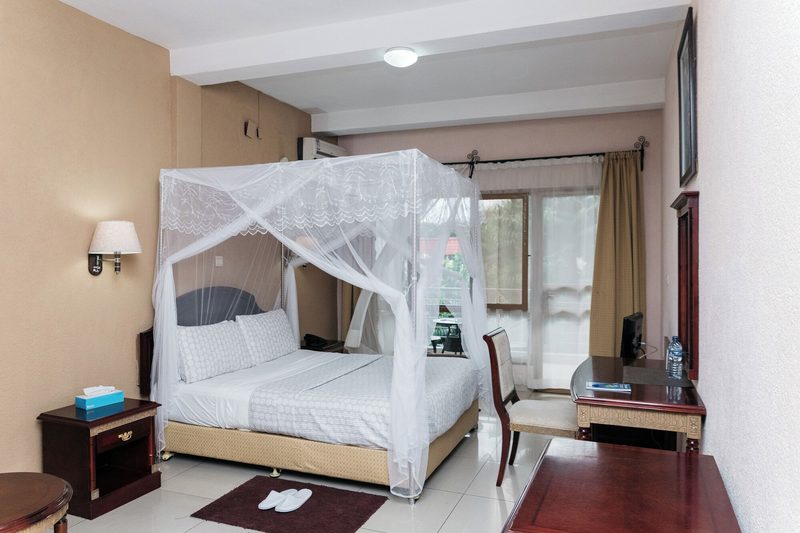
⚠ Wet-season mosquito activity is significantly elevated across the Bujumbura plain, raising malaria transmission risk. Anti-malarial prophylaxis prescribed by a travel medicine specialist before departure is essential, not precautionary. Apply DEET-based repellent from late afternoon onward and sleep under a treated mosquito net if your accommodation does not have screened windows.
⚠ Lake Tanganyika's currents and undertow near the Rusizi River delta can strengthen after heavy rainfall upstream. Swim only in areas where locals swim. Avoid the water after sustained storms. Do not swim alone in unfamiliar stretches of shoreline.
Is January Right for You?
Weigh the advantages and considerations before booking
Advantages
- + Lake Tanganyika's shoreline hits peak drama in January. The surrounding hills turn an almost impossible green after weeks of rain. The water itself, the second deepest lake on Earth dropping to over 1,470 m (4,823 ft), stays warm enough to swim comfortably in the mornings. Afternoon clouds roll in from the Congolese mountains across the water. Plan your swim early.
- + January sits squarely in Bujumbura's green season. Rusizi National Park's hippo pods bunch closer to the riverbanks where the Rusizi River fans into the lake. The birdlife, bee-eaters, kingfishers, open-billed storks, and migratory species passing through the Albertine Rift, is at its most concentrated. Carry binoculars. This is likely your best month.
- + Accommodation rates drop noticeably compared to the dry-season months of June through September. The city's already modest visitor numbers thin further. You can book lakefront spots and arrange private tours without the lead time you'd need in July or August. January rewards the spontaneous traveler.
- + Karera Waterfalls, about two hours southeast toward Rutana Province, runs at full force after weeks of accumulated rain. The roaring, mist-throwing volume makes the dry-season trickle look like a different place entirely. The surrounding forest canopy is dense and dripping. The red laterite trails are slippery enough to feel like an actual adventure rather than a boardwalk stroll. Bring grip.
Considerations
- − Afternoon downpours are a near-daily reality in January. They tend to arrive between 2 PM and 5 PM as heavy, theatrical thunderstorms. Rain hammers corrugated roofs so loudly that conversation stops. They usually clear within an hour. Unpaved roads turn into rust-colored mud channels. Late-afternoon lakefront plans become unreliable. Plan indoors.
- − Humidity at 78% makes the 29°C (84°F) daytime heat feel heavier than the number suggests. The air sits on your skin from the moment you step outside. Short walks through the Marche Central or along Avenue du Prince Louis Rwagasore leave you reaching for water. Mornings before 9 AM and evenings after 5 PM are pleasant. Midday hours are best spent under a roof. Seek shade.
- − Wet season raises the malaria risk across the Bujumbura plain. Mosquitoes breed in standing water that collects quickly after each storm. The lakeside neighborhoods, the lower-lying areas near the Ntahangwa River, see higher concentrations at dusk. Anti-malarial medication and evening-hours insect repellent are non-negotiable. Not optional. Protect yourself.
Best Activities in January
Top things to do during your visit
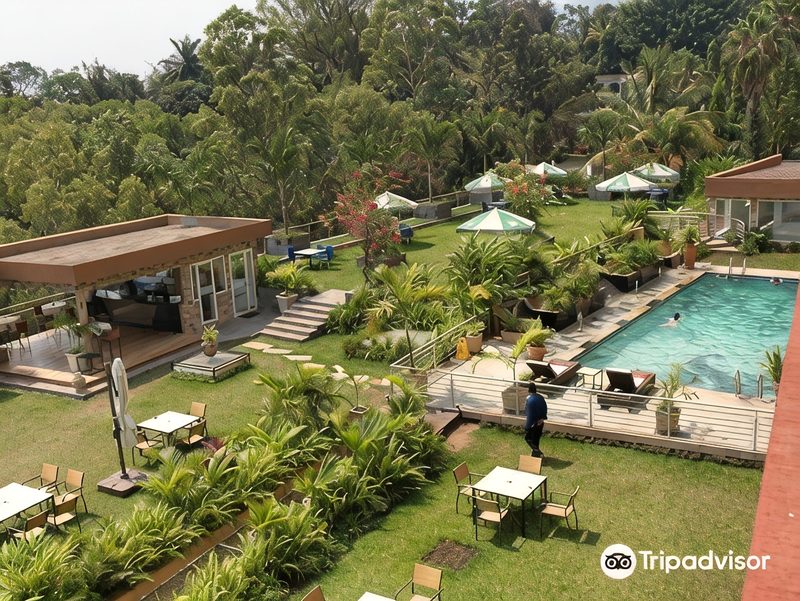
January hits Bujumbura with wet heat that doesn't quit. Afternoon temperatures hover around 84°F (29°C), and the lows rarely dip below 66°F (19°C), keeping the city warm even after dark. This is the heart of the wet season, with roughly 3.9 inches of rain falling across the month, usually in sharp downpours that sweep across Lake Tanganyika in the late afternoon and leave the red laterite roads slick and steaming. Mornings break clear. The lake surface catches the early light in sheets of silver and pale green, and the air carries the mineral tang of wet earth mixed with woodsmoke from cooking fires along the shore. Fishermen haul their wooden pirogues onto the sand at Plage des Cocotiers before the heat sets in, their catch flashing in the sun, and the scent of grilled tilapia drifts from makeshift grills before most visitors have finished breakfast. Bujumbura operates at its own tempo in January. The city's restaurants and lakeside bars remain open and unhurried, serving cold Primus beer and brochettes of goat seasoned with pili-pili that leaves a slow burn on the lips. Getting around is straightforward: taxis are widely available and fares are negotiated before you climb in, typically calculated by distance, so settling on the rate to your destination before departing saves any misunderstanding. The nightlife along Avenue du Peuple Murundi pulses on weekends, with Congolese rumba and Burundian drumming spilling from open-air clubs where the bass thumps through your chest. Safety in Bujumbura follows the same logic as any mid-sized African capital: stay aware after dark, use established taxi services or your hotel's transport, and keep valuables discreet. The city rewards those who move through it with curiosity rather than caution, and January's green, rain-fed landscape gives it a lushness that the dry months cannot match. Accommodation in Bujumbura ranges from international-standard hotels along the lakeshore to simpler guesthouses in the city center. January is not peak tourist season, so availability is rarely a problem, and rates tend to sit lower than during the drier months when overland travelers pass through in greater numbers. The wet season also means Rusizi National Park, just south of the city, is at its most alive, with hippos wallowing in swollen channels and egrets picking through the marshes in clouds of white.

3 Day Burundi Tour- Multi-Day Burundi Sightseeing Tour with Karera Waterfalls
day_tripThis three-day circuit pulls you out of Bujumbura and into the Burundian interior, where terraced hillsides give way to the thundering cascade of Karera Waterfalls. The falls tumble over a series of rock ledges in Rutana Province, their mist cooling your skin as you stand on the slippery viewing platforms below, the roar of water drowning out everything else. Between the waterfalls, the route threads through highland villages where the smell of fresh-roasted coffee beans hangs in the air and children wave from doorways of mud-brick houses.
Karera Waterfalls is Burundi's most dramatic natural spectacle, and this multi-day format lets you absorb the interior landscape rather than racing through it.
Insider tip: Wear shoes with aggressive tread for the approach to the lower falls, where spray coats the rocks in a permanent film of algae, and bring a dry bag for your camera gear.
This month: January's rains feed the Karera Waterfalls to near-peak volume, making them more powerful and visually striking than during the dry months of June through September when flow diminishes significantly.

Bujumbura City Tour
guided_experienceA guided circuit of Bujumbura that covers the central market, the lakeshore, and the city's key landmarks in a single focused day. The central market is an assault on the senses: stalls piled with dried dagaa fish that glint like metal shavings, pyramids of tomatoes and avocados the size of softballs, and the sharp, sweet smell of overripe mangoes competing with diesel exhaust from idling minibuses outside. Your guide narrates the colonial-era architecture along Boulevard de l'Uprona and the significance of the Independence Monument before delivering you to the shore of Lake Tanganyika, where the water stretches to the horizon like an inland sea.
This is the most efficient way to decode Bujumbura's layers, from its market economy to its colonial footprint to its relationship with the lake.
Insider tip: Ask your guide to include a stop at the Livingstone-Stanley Monument south of the city, which is not always on the default route but sits in a quiet grove worth the detour.

3 Day Burundi Nile Source Gitega Rusizi Park
otherThree days that connect three of Burundi's defining landmarks: the southernmost claimed source of the Nile near Rutovu, the royal drums of Gitega, and the hippo-crowded channels of Rusizi National Park. At the Nile source, a small stone pyramid marks the spot where a modest spring seeps from the hillside, the water barely ankle-deep and cool to the touch, an almost absurdly humble beginning for Africa's longest river. Gitega, the political capital, is home to the National Museum of Gitega, where you can hear the resonant, chest-deep boom of the royal Karyenda drums if a performance coincides with your visit. The circuit closes at Rusizi, where hippos surface with a wet snort and crocodiles bask on mudbanks with their jaws hinged open in the heat.
No other itinerary stitches together Burundi's geographic, cultural, and ecological identity in three days.
Insider tip: At Rusizi, stay in the vehicle and let the guide position you downwind of the hippo pods. The animals are territorial and the park's channels are narrow enough that you will be startlingly close without trying.
This month: January rains keep Rusizi's channels high, concentrating hippos and waterbirds into visible clusters rather than the dispersed patterns of the dry season.

Private Tour of Bujumbura
private_tourA private vehicle and dedicated guide reshape the Bujumbura experience into something tailored entirely to your pace. The route bends to your interests: linger at the Musee Vivant where live crocodiles lie motionless in concrete enclosures and a small collection of traditional crafts gathers dust in dim rooms, or spend longer at the lakeshore watching the fish market's organized chaos develop as pirogues scrape onto the gravel beach. The privacy means you can stop when the light catches something worth photographing, or pull over at a roadside stand where a woman is grilling fresh maize over charcoal, the kernels popping and charring with a smell that is equal parts sweet and smoky.
The private format eliminates the group-tour compromise and lets you follow your instincts through a city that rewards spontaneous detours.
Insider tip: Ask the driver to route through the Asiatique quarter near the port, where Indian and Pakistani trading families have operated for generations and the architecture shifts noticeably from the rest of the city.

Discovering the Wonders of Burundi: A 7-Day Tour itinerary
guided_experienceSeven days is enough to see Burundi end to end, and this itinerary does exactly that, moving from Bujumbura's lakefront through the highland tea plantations where mist clings to rows of waist-high bushes, past the Kibira National Park rainforest where colobus monkeys crash through the canopy overhead, and down to the hot springs near the Tanzanian border where the water is warm enough to sting. The tour covers Karera Waterfalls, the Nile source, Gitega's drumming traditions, and Rusizi's wildlife in a sequence that builds from cultural immersion to raw landscape. Nights are spent in the best lodges available in each region, which in Burundi means clean and functional rather than luxurious, with the sound of rain on corrugated roofing as your evening soundtrack.
This is the most thorough way to understand why people visit Burundi, covering every major natural and cultural landmark the country holds.
Insider tip: Pack a headlamp and a lightweight rain shell in your daypack every morning. Power cuts are common in rural lodges, and the afternoon downpours arrive with almost no warning.
This month: The wet season greens the highlands dramatically, and the tea plantations around Teza are at their most photogenic with fresh growth, though unpaved roads between stops may be slower due to mud.

Full-Day Tour Bujumbura With Rusizi Park And Stanley Monument
day_tripThis single-day tour pairs Bujumbura's city highlights with a push south to Rusizi National Park and the stone marker where Stanley reportedly greeted Livingstone on the shore of Lake Tanganyika. At Rusizi, the park road runs along a raised embankment between papyrus-choked channels where hippos grunt and blow, their pink ears flicking above the waterline, and where Goliath herons stand motionless in the shallows with the patience of statues. The Stanley-Livingstone Monument sits in a quiet, shaded clearing, the stone cool to the touch even in the midday heat, a modest marker for one of the nineteenth century's most famous encounters. The return to Bujumbura passes through fishing villages where the air is thick with the oily, saline smell of sun-dried sardines laid out on mesh racks.
This is the most practical option for travelers with limited time who want both wildlife and history without an overnight commitment.
Insider tip: Bring binoculars for Rusizi. The hippo pods are visible to the naked eye. But the birdlife in the papyrus requires magnification to appreciate, the malachite kingfishers that flash iridescent blue-green along the channel edges.
This month: January's higher water levels in Rusizi's channels push hippos into tighter groups, making sightings more reliable than in the dry months when the animals spread across a wider floodplain.
Where to Stay in Bujumbura in January
Hand-picked hotels across price tiers for January travellers.
Public Holidays in January
Dates that affect opening hours, transport and crowds
New Year's Day
Observed nationwide as a public holiday.
New Year's Day
Observed nationwide as a public holiday.
Packing Checklist
Bookmark this page — your progress is saved between visits
Need the full list with shopping links?
Climate-specific gear, brand recommendations, and what to leave at home.
View Bujumbura Packing List →Essential Tips
Insider knowledge and common pitfalls to avoid
Insider Knowledge
Bujumbura's taxi system runs entirely on negotiation. There are no meters anywhere in the city. Settling on a price before you get in is not optional. It is the system. Fares within the city centre are surprisingly affordable by East African standards. But the price quoted to a visibly foreign traveler will start at roughly double what a local pays. Counter politely, agree on a figure, and confirm whether it covers a return trip or just the one way. For trips to Rusizi National Park or the Livingstone-Stanley Monument, arrange a half-day rate with your driver rather than paying per leg.
Take informed caution, not avoidance. The security situation has improved substantially since the political instability of the mid-2010s, and the lakefront strip, Rohero, and the city centre are generally safe during daylight. Avoid walking alone after dark in unfamiliar neighbourhoods, keep a low profile with valuables, and stay clear of any political gatherings or demonstrations, which can materialize quickly. Your hotel or guesthouse is your best source of current, neighbourhood-level safety advice. Ask them, and take what they say seriously.
Cash is the economy in Bujumbura. Card acceptance is limited to a handful of upper-tier hotels, and ATMs exist but are unreliable enough that you should never count on them as your only source. Bring US dollars or euros in clean, post-2006 bills and exchange them at licensed bureaux in the city centre. The rates are better than at the airport, and significantly better than what hotels offer. Keep smaller denominations on hand for brochette stalls, market purchases, and taxis.
The best mangoes you will eat anywhere in East Africa are sold from wheelbarrows and roadside stalls across Bujumbura in January. They are in full season, absurdly cheap even by local standards, and so ripe that cutting into one releases a perfume that is half floral, half caramel. Buy them from the women selling near the Marche Central entrance in the morning, when the fruit is still cool from the overnight air. Pair them with the small, tart passion fruits sold alongside. The combination is a breakfast that makes hotel buffets feel pointless.
Avoid These Mistakes
Do not schedule outdoor activities for the afternoon and then lose half a day to the inevitable rain. January's storms follow a remarkably consistent pattern: clear mornings, cloud buildup by noon, heavy rain from roughly 2 to 5 PM, then clearing skies at dusk. Every park visit, lake outing, or walking tour should start at dawn and wrap by early afternoon. Travelers who sleep in and head out at 11 AM will spend most of their day watching rain from a hotel lobby.
Do not skip malaria prophylaxis because the trip is short or the city feels urban. Bujumbura sits on a lakeside plain at 774 m (2,539 ft) with abundant standing water in January, and malaria transmission is real and active during the wet season. Consult a travel medicine clinic well before departure, start your prescribed medication on schedule, and use repellent religiously at dusk and after dark. This is not theoretical risk. It is the single most common health issue foreign visitors encounter here.
English alone will not carry you far. Bujumbura's working languages are Kirundi and French, in that order. Some hotel staff and a subset of tour guides speak English. At markets, in taxis, at restaurants, and in any interaction outside the tourism bubble, French is your bridge. Travelers who arrive with zero French and no translation tool find basic logistics, ordering food, negotiating fares, asking directions, difficult. Even rudimentary French transforms the experience. Worth it.
Ready to plan your trip to Bujumbura?
Now that you've got the research covered, here's where to go next.
Explore More Activities in Bujumbura
Didn't see anything interesting yet?
Browse Viator's full catalog of tours, day trips, food experiences, and private guides in Bujumbura.
See All Bujumbura Tours on Viator