
Things to Do in Bujumbura in March
March weather, activities, events & insider tips
Low Season · Budget Friendly
March Weather in Bujumbura
Long-run averages for March
84°F (29°C)
High Temp
66°F (19°C)
Low Temp
4.6 inches (117 mm)
Rainfall
76%
Humidity
15
Sunny-Day UV
⚠ March brings peak rainfall to Bujumbura. Intense equatorial thunderstorms can dump heavy rain in under an hour. Flash flooding hits unpaved roads outside the city centre regularly. Rural routes to Karera Waterfalls or the Rusizi delta can become temporarily impassable.
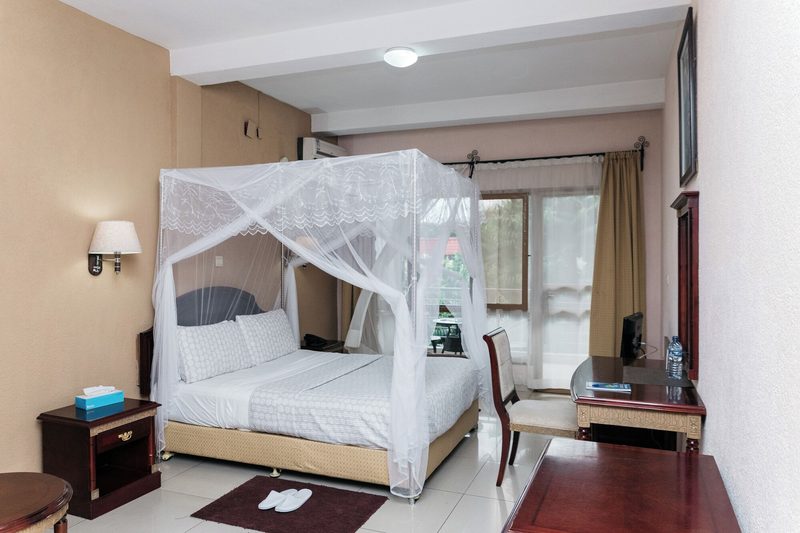
⚠ Malaria transmission peaks during the wet season in the Lake Tanganyika lowlands. Prophylaxis, insect repellent, and a treated bed net are essential. See a travel medicine specialist before departure.
⚠ Equatorial UV exposure stays extreme year-round in Bujumbura. Cloud cover during the rainy season does not reduce it meaningfully. Sunburn threatens even on overcast mornings, near Lake Tanganyika where water reflection amplifies exposure. Pack sunscreen.
Is March Right for You?
Weigh the advantages and considerations before booking
Advantages
- + Lake Tanganyika hits peak warmth in March. Water temperatures sit near 27°C (81°F), and the shoreline glows green instead of the dusty brown you see in dry months. Swimming off beaches south of the city centre feels like slipping into a bath. The lake surface stays calmer in mornings than during the windy June through August season.
- + Bujumbura sees almost no international tourists, ever. March thins those slim numbers further. You will likely be the only foreign visitor at the Living Museum of Bujumbura on any given afternoon. The drummers and dancers perform at conversational distance, not from a stage. That intimacy changes everything.
- + The surrounding hills and the road to Gitega peak green in March. The landscape between Bujumbura and Karera Waterfalls looks scrubby and heat-bleached by August. In March it is dense with banana groves, cassava fields, and wildflowers. Photographs taken this month look like a different country from dry-season shots.
- + March sits between heavier April rains and February's slightly drier spell. Showers come in sharp afternoon bursts, not all-day downpours. Mornings and evenings stay reliably clear. Lakefront walks and outdoor meals work then.
Considerations
- − March is the wettest month, with 117 mm (4.6 inches) of rain. Most arrives as intense afternoon thunderstorms. These turn unpaved roads on the outskirts into mud channels within minutes. Day trips to the Rusizi delta or Karera Waterfalls sometimes need rescheduling when routes flood. Plan excursions for early morning departures.
- − Humidity at 76% combined with 29°C (84°F) highs creates a heaviness that sits on you all day. The worst hours run noon to three. The air downtown near the Marche Central feels close and thick. Even short walks leave your clothes damp. Locals slow down then for a reason.
- − The wet season raises malaria risk across the Lake Tanganyika lowlands. Mosquitoes breed aggressively in standing water after each storm. The lakeside neighbourhoods of Bujumbura are not exempt. Prophylaxis, long sleeves after dusk, and a treated bed net are non-negotiable. Not optional.
Best Activities in March
Top things to do during your visit
March settles over Bujumbura like a warm, damp hand. The wet season is in full swing, with afternoon downpours rolling in from Lake Tanganyika most days, thick curtains of rain that hammer tin rooftops for an hour, then vanish, leaving the air smelling of turned earth and wet bougainvillea. Temperatures hold steady around 29°C during the day and 19°C at night, a narrow band that makes Bujumbura one of the most thermally consistent cities on the continent. The lake itself, the world's second-deepest, turns from its dry-season turquoise to a moody grey-green under overcast skies, and the papyrus marshes along the Rusizi River delta thicken into an impenetrable wall of green stalks that creak and sway when hippos push through them at dusk. The rain reshapes the city's daily rhythm. Mornings in Bujumbura are the golden hours, clear, warm, the air still cool enough that vendors along Avenue du Commerce set out their cassava-leaf bundles and charcoal-grilled brochettes early, the smoke drifting low across the road before the heat lifts it. By early afternoon, clouds mass over the Congolese mountains across the lake, and locals know to finish errands before three o'clock. Restaurants along the lakefront fill up during the downpour, and the sound of rain on corrugated iron becomes the soundtrack of a long lunch, grilled tilapia pulled from Tanganyika that morning, served with fried plantains and a sharp pili-pili sauce that burns clean. After the rain passes, the city exhales. Children spill back into the streets, the red laterite roads steam faintly, and the equatorial sun drops fast toward the lake, painting the water copper and violet. March is not Bujumbura at its driest or its most comfortable. But it is Bujumbura at its most alive, the landscape almost aggressively lush, the pace of life shaped entirely by the sky. For travelers, this means planning around the weather rather than fighting it. Morning excursions, to the Rusizi delta, the central market, the colonial-era monuments along the lakeshore, work best. Afternoons are for the covered terraces of Bujumbura's surprisingly good restaurant scene, where grilled freshwater fish, cold Primus beer, and the low hum of Kirundi conversation fill the hours until the rain stops and the evening opens up. The city is compact, walkable in its center, and far safer than its reputation suggests to anyone who exercises ordinary urban awareness. Nightlife concentrates along a few well-known strips near the lake, where open-air bars play Congolese rumba and the air smells of grilled goat and citronella candles lit to ward off mosquitoes. Bujumbura rewards the traveler who slows down, who sits with a plate of sambaza, tiny fried lake fish, crunchy and salty, and watches the rain come and go.

3 Day Burundi Tour- Multi-Day Burundi Sightseeing Tour with Karera Waterfalls
day_tripThe most complete short itinerary available in the country, threading together Bujumbura's urban landmarks with the Karera Waterfalls in Rutana Province, a set of four cascades tucked into a steep, forested valley where the mist hangs in the canopy and the roar of falling water drowns out everything but birdsong. The route also passes through the highland tea plantations east of the capital, where rows of clipped bushes run in impossibly straight lines across hillsides so green they look painted. In March, the waterfalls are running at near-peak volume from the rains, and the surrounding forest drips with moisture, every surface slick and mossy underfoot.
This is the only multi-day tour that pairs Bujumbura's lakeside culture with the raw power of Karera's cascades, a landscape most travelers to East Africa never see.
Insider tip: Pack a dry bag for electronics on the Karera leg, the trail spray soaks everything within arm's reach of the falls, and March runoff intensifies the mist considerably.
This month: March rains push the Karera Waterfalls to near their annual peak flow, making the cascades visually dramatic but the access trails muddy and slippery, sturdy footwear with ankle support is essential.

Bujumbura City Tour
guided_experienceCompresses the capital's key landmarks into a single guided day, the central market where pyramids of dried dagaa fish give off a sharp, briny smell and bolts of printed wax cloth hang in brilliant yellows and reds, the Independence Monument on its roundabout, the Islamic Cultural Center with its pale minaret rising above the low skyline, and the lakeshore promenade where fishermen haul wooden pirogues onto the sand each morning. The guide contextualizes what you see against Bujumbura's layered history, Belgian colonial grid, post-independence nation-building, civil war scars, and the cautious optimism of the present city.
A single day with a knowledgeable local guide reveals the logic of Bujumbura's layout and the stories behind landmarks that would otherwise read as anonymous concrete.
Insider tip: Ask your guide to stop at the Marché Central before nine in the morning, when the fish section is at its most active and the light slants through the market's open sides, the photographic opportunities disappear once the crowds compress the aisles.

3 Day Burundi Nile Source Gitega Rusizi Park
otherCovers more geographic and conceptual ground than any other offering in Bujumbura. It visits the disputed southernmost source of the Nile near Rutovu, marked by a modest pyramid where a thin stream trickles over stones, humble and almost comic given the river it becomes, then moves to Gitega, Burundi's political capital, where the National Museum of Gitega houses a collection of royal drums, old photographs, and ethnographic objects in a quiet compound shaded by jacaranda trees. The final leg descends to Rusizi National Park at the river delta, where hippo pods surface in the brown water with wet snorts and egrets stand motionless in the shallows.
No other itinerary connects the mythic headwaters of the Nile with the raw wildlife of the Rusizi delta, compressing two of Africa's great geographical stories into three days.
Insider tip: At the Rusizi delta, the boat approach to the hippo pods works best in the first hour after dawn, when the animals are still surfacing and the light on the water is low and golden, by mid-morning they submerge deeper and the glare makes photography difficult.
This month: March water levels in the Rusizi delta are high enough that boat access to the hippo channels is reliable, whereas in dry months the shallow channels can restrict navigation.

Private Tour of Bujumbura
private_tourStrips away the group dynamic and lets you set the pace through the city with a dedicated guide. The itinerary flexes around your interests, the German and Belgian colonial buildings in the centre, the lakeshore where Tanganyika's water is so clear near the rocks that you can see the sandy bottom shifting in the current, the neighbourhood markets where women sell baskets of tiny red chili peppers and the air is thick with the warm, starchy smell of steaming cassava. The privacy means you can linger where the conversation turns interesting and skip what does not hold your attention, a luxury that matters in a city where the most rewarding moments are often unscripted, a drumming rehearsal in a courtyard, a fisherman mending nets who explains the lake's moods.
A private guide in Bujumbura transforms a city with few tourist signs and no English-language infrastructure into a place you can understand.
Insider tip: Tell your guide you want to include the Livingstone-Stanley Monument at Mugere, south of the city centre, it is often left off standard routes but the drive along the lakeshore passes through fishing villages where the pace of life has not changed in decades.

Discovering the Wonders of Burundi: A 7-Day Tour itinerary
guided_experienceThe deep commitment, a full week that radiates outward from Bujumbura into the country's interior, the drumming sanctuaries of Gishora, where royal drummers perform on massive hollowed-trunk instruments with a resonance you feel in your chest, the tea-draped highlands around Teza, where the cool air smells of eucalyptus and damp soil, the Kibira National Park rainforest, dense and dark and loud with the calls of colobus monkeys crashing through the upper canopy. The itinerary returns to Bujumbura's lakefront each evening or uses upcountry guesthouses, depending on the routing, and the cumulative effect is an understanding of Burundi that no city tour alone can deliver.
Seven days is what it takes to see Burundi as a country rather than a capital, the drums, the forests, the lakes, the altitude shifts from Tanganyika's shore to the highland spine.
Insider tip: The Gishora drumming performance is more powerful in a small group, if the tour allows, request a session with fewer spectators, and sit close enough to feel the vibration of the drums in the ground beneath you.

Full-Day Tour Bujumbura With Rusizi Park And Stanley Monument
day_tripPacks the city's two most geographically dramatic sites into a single outing. Rusizi National Park sits at the river delta where the Rusizi empties into Lake Tanganyika, a flat, marshy landscape where hippos grunt and blow spray as they surface, crocodiles slide off mudbanks with a heavy splash, and the tall papyrus reeds whisper and click in the breeze. The Stanley Monument at Mugere, further south along the lakeshore, marks the spot where explorer Henry Morton Stanley and David Livingstone are said to have met, a simple stone marker in a quiet clearing where the only sound is the lap of Tanganyika's waves on the rocks below. In between, the drive traces Bujumbura's southern lakeshore, passing fishing camps where the smell of smoking fish hangs in the humid air.
This is the most efficient way to see wild hippos and crocodiles in their natural habitat and still be back in Bujumbura for a lakeside dinner.
Insider tip: Bring binoculars for the Rusizi boat section, the hippo pods often sit mid-channel, and the boat keeps a safe distance, so magnification turns a distant grey lump into a detailed, wet-skinned animal with flies buzzing around its ears.
Where to Stay in Bujumbura in March
Hand-picked hotels across price tiers for March travellers.
Packing Checklist
Bookmark this page — your progress is saved between visits
Need the full list with shopping links?
Climate-specific gear, brand recommendations, and what to leave at home.
View Bujumbura Packing List →Essential Tips
Insider knowledge and common pitfalls to avoid
Insider Knowledge
Get outside between 6 and 10 a.m. The air stays cool, the light on Lake Tanganyika turns extraordinary, and the city functions. By early afternoon, heat and humidity crush you. Rain arrives by 2 or 3 p.m. Locals build their whole day around this pattern. Copy them.
Lakefront restaurants fry ndagala, tiny sardine-like fish from Lake Tanganyika, until crispy. Eat them whole with pili-pili sauce and boiled cassava. Menus list them as mukeke or ndagala by size. Follow the smell of palm oil frying along the beach road south of town. You will eat better than at any hotel.
Safety has improved since the mid-2010s political tensions. But caution still pays. Stay in established neighbourhoods like Rohero and the lakefront after dark. Hire local guides outside the city centre. Tell your accommodation where you are going. Long-term residents give simple advice: be sensible, be visible, and never wander unfamiliar streets alone at night.
Informal currency exchange happens near Marche Central. The rates beat banks. But the risks outweigh marginal savings for short-term visitors. Use banks or established exchange offices in Rohero. The Burundian franc moves enough that checking the morning rate is worth two minutes.
Avoid These Mistakes
Do not plan full outdoor days without accounting for afternoon rain. March storms hit between 1 and 4 p.m. These are not gentle drizzles. They are equatorial downpours that turn streets into rivers. Schedule outdoor activities for mornings. Keep afternoons flexible. You will avoid watching your plans dissolve from under a restaurant awning.
Do not assume English works everywhere. Kirundi and French dominate Bujumbura. Outside international hotels, English speakers are rare. Even basic French phrases, greetings, numbers, please and thank you, shift how people respond. Without them, arranging transport, ordering food, and navigating markets becomes pointing and guessing.
Do not treat Bujumbura as a transit point. First-timers sometimes plan one night here before gorilla trekking or other East African highlights. The city deserves three to four days minimum. The lake, the markets, the drumming traditions, the coffee, and the pace of life here are unlike anywhere else in the region. Rushing through means missing what makes Burundi singular.
Ready to plan your trip to Bujumbura?
Now that you've got the research covered, here's where to go next.
Explore More Activities in Bujumbura
Didn't see anything interesting yet?
Browse Viator's full catalog of tours, day trips, food experiences, and private guides in Bujumbura.
See All Bujumbura Tours on Viator